

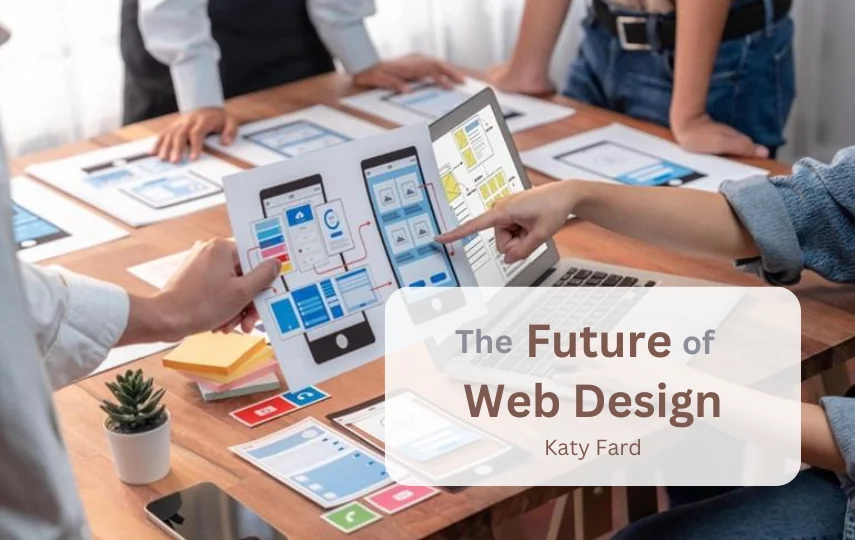
The future of web design in the digital age is constantly changing to meet the needs and expectations of users in a changing technology landscape. As we look to the future of web design, witness the shift towards mobile-first design, voice user interfaces, augmented and virtual reality experiences, the integration of artificial intelligence and machine learning, progressive web applications, considerations of accessibility and ubiquity, And we are focused. About sustainability and environmentally friendly design practices.
Mobile-first design
At the forefront of the future of web design is the concept of mobile-first design. With the increase in the number of people who access the Internet through smartphones and tablets, prioritizing mobile optimization for websites has become necessary. This means designing websites for smaller screens, emphasizing key information and features, and ensuring a seamless user experience across all devices. As the number of mobile Internet users continues to increase, web designers must place more emphasis on mobile-first design to ensure accessibility and usability for all users.
Voice user interfaces
Voice User Interfaces (VUI) is another key trend shaping the future of web design. The emergence of voice assistants such as Siri, Alexa and Google Assistant has opened up new possibilities for interacting with websites using natural language commands. Integrating VUI into website design allows for a more intuitive and accessible user experience. Designers must focus on creating conversational interfaces that are easy to understand and navigate, as well as optimizing voice search capabilities to meet the growing demand for hands-free and voice-based interactions.
Augmented reality and virtual reality
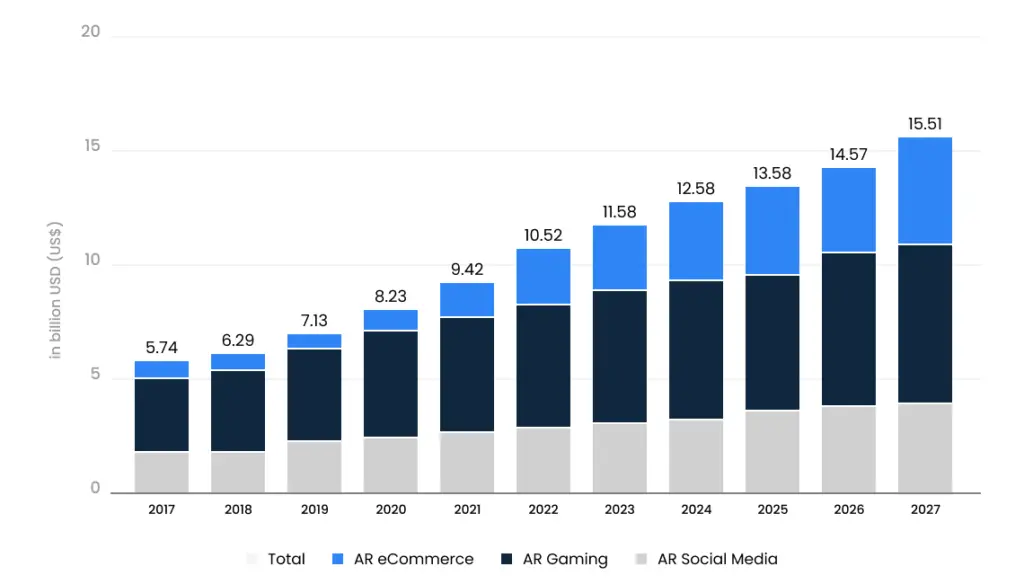
Augmented reality (AR) and virtual reality (VR) technologies also play an important role in the future of web design. Augmented reality superimposes digital content on the real world, while virtual reality creates completely virtual environments for users. These immersive experiences give designers a unique opportunity to create interactive and engaging content that blurs the line between the digital and physical worlds. As augmented reality and virtual reality technologies become more accessible and common, web designers must adapt their skills and tools to design 3D models, animations, and interactive elements that provide engaging experiences for users.
Artificial intelligence and machine learning
Artificial intelligence (AI) and machine learning are revolutionizing the way websites interact with users by providing personalized and predictive experiences. AI-based chatbots, recommendation engines, and content generators are examples of how AI can be integrated into website design to deliver personalized and relevant content. Designers need to understand how these algorithms work and how to integrate them into user experiences to automate tasks, personalize content, and improve usability. Anticipating how users will interact with AI-based features and designing visual interfaces is very important to create attractive and user-friendly websites in the future.
Progressive web apps in the Future of Web Design
Advanced web applications are poised to revolutionize the future of web design by delivering the speed and performance of native applications with access to websites. Cutting-edge web applications provide a more engaging user experience than traditional websites with offline functionality, push notifications, and seamless integration with device hardware.
In the future, we can expect progressive web apps to become the standard for businesses looking to create a more dynamic and user-friendly online presence. Their ability to load quickly and provide a consistent experience across devices makes them an attractive option for businesses looking to reach a wide audience.
Designers must adapt their skills to create top-notch, visually appealing and functional web applications optimized for mobile and desktop use. This shift towards more interactive and responsive web design is likely to lead to an increased emphasis on user experience and performance metrics in the industry.
Accessibility and inclusivity
In the future of web design, accessibility and ubiquity will be the primary factors shaping user experience. As the digital world becomes more intertwined with everyday life, designers must prioritize creating websites that suit all users, regardless of their abilities or disabilities. This includes optimizing websites for screen readers, providing alt text for images, and ensuring content is clear and concise.
With the growing focus on diversity and inclusion in society, it is important for web designers to consider accessibility as a fundamental aspect of their design process. By creating an inclusive online environment, designers can improve the user experience for everyone and promote equal access to information and services.
Sustainability and eco-friendly design
As we look towards the future of web design, it is clear that mobile-first design, voice user interfaces, augmented reality and virtual reality experiences, artificial intelligence and machine learning integrations, progressive web apps, accessibility and inclusivity considerations, and sustainability and eco – friendly design practices will be key trends shaping the industry. By embracing these trends and technologies, designers can create innovative and user-friendly websites that cater to the evolving needs and expectations of users in the digital age.
In conclusion, the future of web design is full of exciting possibilities and challenges as technology continues to advance and user expectations shift. By staying ahead of trends, embracing new technologies, and prioritizing accessibility, inclusivity, sustainability, and eco-friendly design, designers can create websites that are engaging, immersive, and inclusive for all users. As the internet evolves and adapts to changing user demands, website design will play a crucial role in shaping the digital landscape of the future.
I have a slightly unrelated question. Which one are used more now? Laptop or mobile phone?
Hello Mowj,
Mobile phones are now more popular than laptops due to their versatility and convenience. With advancements in technology, mobile phones can now perform a wide range of tasks that were once exclusive to laptops. This has led to increased usage of mobile phones for everyday activities.
Thank you
What is machine learning ?
Hello Saeed,
Machine learning is a type of technology that helps computers learn on their own by using information and rules. It is part of artificial intelligence and computer science. This helps computers get better at certain tasks by practicing and getting more accurate over time, just like how people learn.
Thank you
Can I send you an email for further information Katy?
Hello Shiro,
Of course, It is my pleasure.
Hi Katy
I need more explanation about accessibility in web design, please.
Hello Becky,
Please read this article
Accessibility in web design
Thank you.
Could you give examples of using VUI on the website?
Hello Dakota,
Popular examples include Apple’s Siri, Google Assistant, and Amazon’s Alexa. On websites, VUIs enhance user experience by enabling tasks like voice search, setting reminders, or controlling smart devices without manual input. For instance, a voice-controlled light switch on a website would be a simple VUI. As VUIs become more common, they reshape the human-device relationship and offer convenient, screen-free interactions.
Thank you